
Whether it’s once or a couple of times a week, stopping by the supermarket to pick up groceries is a routine task. Between all of the items on your grocery list, it can seem overwhelming to pick the best produce during your grocery runs.
Produce is Essential to Your Grocery List
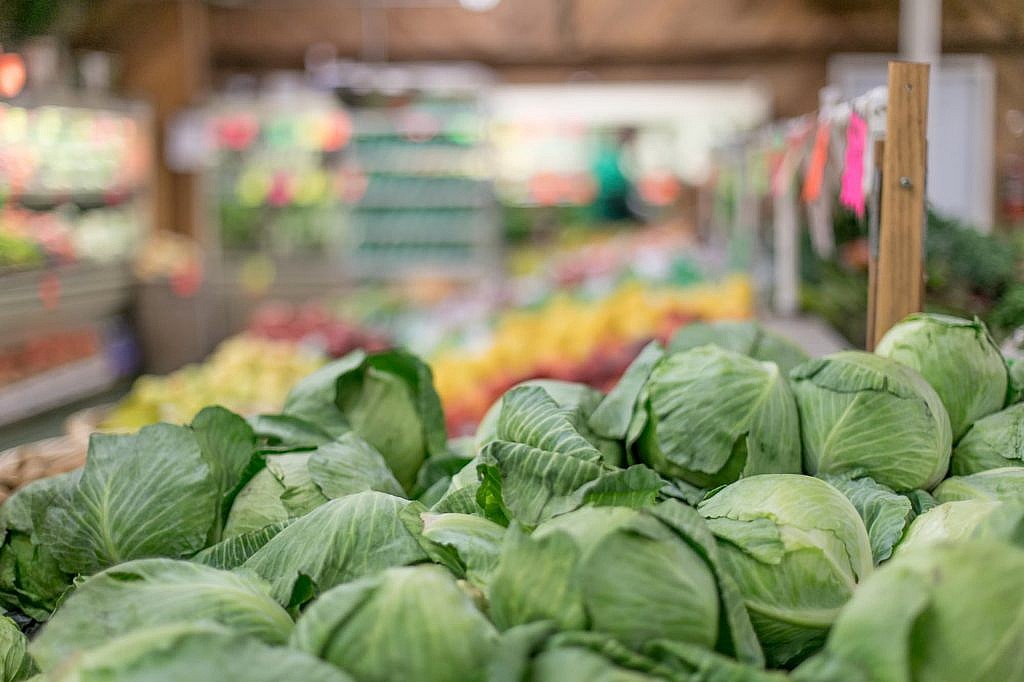
We don’t have to convince you that fruits and vegetables are integral to a balanced and healthy diet. Shopping for produce is important, but more importantly, how to shop for fruits and veggies is crucial to know.
How to Conquer the Produce Section
When you stroll through the produce department, there are so many colors, sizes, and shapes to choose from. We’ve outlined eight ways to shop for produce like a pro.
Stick to In-Season Picks
We preach it here at Ward’s, but it’s universally known that fresh is best when it comes to your produce picks. You don’t have to be a produce expert, but knowing when fruits and veggies are in season will help you greatly when you craft your grocery list. In-season produce is fresher, tastier, and is priced lower.
Add Variety to Your List
When it comes to buying produce, it’s important to shop all of the colors in the produce section. Different colored vegetables and fruits have different nutrients that will help you achieve a maximized nutritional diet. So don’t only shop greens or stick to picking up only red produce items. Show love to all sorts of fruits and veggies!
Pick Based on the Right Ripeness
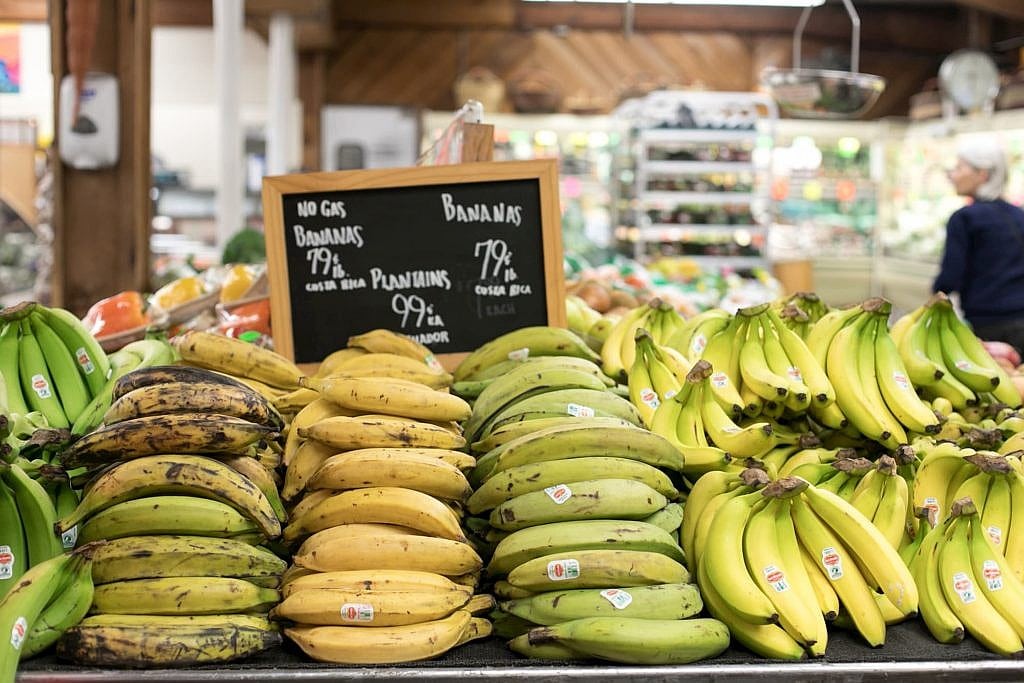
A misconception about produce typically stems from when to pick your produce. Ripe or not ripe yet? It truly depends when you plan on using and eating these items in your meals. If you are preparing your produce the same day you purchased them, you want them as ripe as possible. Ripe fruit or vegetables will give a little when squeezed and you’ll smell a sweet fragrance.
If you are purchasing produce days before you plan to prepare it, it should give off a slight fragrance, but not as strong as ripe fruit.
Ripening Tips:
- Some fruits like nectarines and peaches will ripen faster if you put them in a paper bag, but stay fresh for 2 weeks if you put them in the fridge inside a plastic bag.
- Refrigerating fruit will slow the ripening process, so if you want the fruit to ripen, you should leave it on the counter.
The Choice Between Pre-Cut & Whole
You’ll have plenty of options when you are shopping for produce. You can opt for whole fruits and vegetables or choose pre-cut packaged produce. While pre-cut produce is easier to manage and makes preparing produce much quicker, fruits and vegetables retain the most nutrients when they are whole then cut. The skin of our favorite produce items actually helps lock in flavor and nutrients, while cut up produce loses portions of their nutrients once they are cut and then packaged.
Don’t Judge Produce By its Cover
Just because it’s not the prettiest peach in the pile, doesn’t mean it’s worth any less. Ugly produce can taste just as good (if not better!) than the prettiest options. You can’t judge produce solely on appearance. Your produce should have a nice firm outer skin and should be heavy for its size. Don’t always reach for the biggest one, pick it up and if you are surprised by its weight, then that’s the one to choose.
Ask for Help
When in doubt, ask one of our amazing team members for help. Our staff would be more than happy to help you find what you need while you are looking for produce. You can ask questions like “is this ripe?” or ask if it’s in-season. Produce will be labeled with important information like if it’s organic or local.
Buy Only What You Need
It’s extremely important that you only buy produce that you need. Stick to your list and it will make it easier to shop. Plus, you won’t be throwing out old produce! Don’t waste produce because you couldn’t eat it in time. Make sure to only purchase a week’s worth of produce at a time. Any longer, you won’t be able to enjoy fresh produce.
Wash Your Produce
Last, but certainly not least, always wash your produce. A rinse with running water is a must once you are ready to enjoy your freshly bought fruits and vegetables. Even if you plan to cut or discard the skin of your produce, there can still be contact from your knife from the skin to when you cut into the center. It’s better to err on the side of caution and wash your produce.
Shop Fresh, Local, and Organic Produce at Ward’s Supermarket
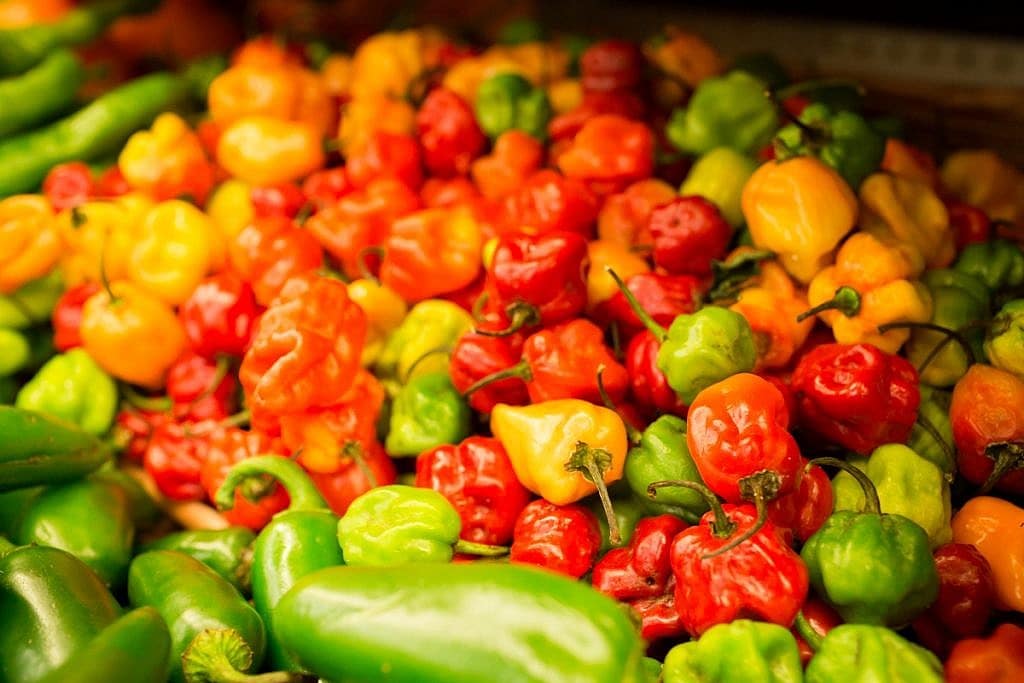
Don’t stress about shopping for produce! It’s easy to enjoy yummy produce without dreading the supermarket. Stop by Ward’s Supermarket for fresh, local, and organic options in our amazing produce department. Once you are done picking your favorite fruits and vegetables, shop the rest of our departments for all of your grocery needs.